

OEM vs. Aftermarket Parts: What Humble Ford Owners Need to Know
Original equipment and aftermarket parts each have a place in Ford repairs. Compare fit, warranty, price, and reliability before you choose.

Your Ford needs a new starter, or a water pump, or a set of brake pads. The shop calls with two numbers: one for the factory part, one for an aftermarket alternative that costs noticeably less. Which one belongs on your vehicle?
There is no single right answer, and anyone who tells you otherwise is usually selling something. What matters is understanding what you are actually trading when you pick one over the other. Fit, warranty, price, and how long the part lasts all shift depending on the repair, the brand, and how long you plan to keep the truck or car.
What "OEM" and "Aftermarket" Actually Mean
OEM stands for original equipment manufacturer. In practice, an OEM part is the same part — or the same design, built to the same specification — that Ford installed when your vehicle was assembled. Buy it from a Ford dealer and it arrives in Ford packaging with a Ford part number.
Aftermarket covers everything else. That is a wide tent. It includes major brands that supply parts to automakers during production, mid-tier brands with solid reputations, and inexpensive imports of wildly varying quality. "Aftermarket" tells you almost nothing on its own. The brand and the specific part number tell you everything.
One useful thing to know: many components on your Ford were never made by Ford. They were made by suppliers — brake systems, electronics, bearings, sensors — and Ford bought them. Some of those same suppliers sell comparable parts under their own name. That is not the same as a cheap knockoff, and it is not the same as a genuine Ford part either.
Fit and Installation
This is where OEM parts earn their reputation. A factory part was designed alongside your vehicle, so brackets line up, connectors match, and clearances are correct. On a straightforward job like a replacement battery or an air filter, that hardly matters. On a job like a steering rack, an alternator, or a body panel, it matters a great deal.
Good aftermarket parts fit well too, but "good" is doing real work in that sentence. Problems tend to show up in predictable places:
- Electrical connectors that need slight modification or sit at an awkward angle.
- Mounting holes that are close but not quite, forcing a shop to enlarge or shim them.
- Body panels with gaps that never look quite right, even after adjustment.
- Sensor calibration that does not match what the vehicle's computer expects.
Labor is often the largest line on a repair bill. If a cheaper part adds an hour of fiddling, you may have spent more than you saved. Ask your technician which parts they have seen cause repeat problems on your model. They know.
Warranty: Read the Fine Print
OEM parts bought from a Ford dealer typically carry a manufacturer's warranty covering the part itself, and often the labor to replace it if the part fails within a set period. Terms vary by part and by dealer, so ask for the specifics in writing.
Aftermarket warranties are a mixed bag. A reputable brand may offer a limited lifetime warranty on certain components, which sounds generous until you read that it covers the part only. You pay the labor a second time. Some budget parts carry 90 days or nothing at all.
Questions worth asking before you approve any part
- How long is the warranty, and does it include labor?
- Who honors it — the shop, the distributor, or the manufacturer?
- What voids it? Off-road use, track use, or installation by an unapproved shop often does.
- Is the part in stock, or will I be waiting a week?
Price: Look at the Whole Bill
The sticker price gap can be large. On common wear items — filters, wipers, brake pads, batteries, shocks — aftermarket options often cost meaningfully less. On complex electronic or drivetrain components, the gap narrows and sometimes disappears.
But compare the total cost of the job, not the part. Consider:
- Labor to install it, and possibly to install it again if it fails.
- Downtime if you are without the vehicle while a warranty claim is processed.
- Resale or trade-in value if you keep receipts showing factory parts and dealer service.
- Related damage if a failed cheap part takes something expensive with it. A failed water pump can cost you a head gasket.
A budget part that fails early is never a bargain. A quality aftermarket part that outlasts the vehicle is money well spent.
Long-Term Reliability by Repair Type
This is where a practical rule of thumb helps more than a blanket preference.
Where OEM usually makes sense
Sensors and electronics tied to the engine management system, transmission internals, safety systems, airbag components, and anything with a computer module. These parts must talk to your vehicle's software, and mismatches can trigger warning lights, poor fuel economy, or drivability complaints that are hard to diagnose. High-stress engine internals are another category where the factory specification is worth paying for.
Where quality aftermarket is often fine
Filters, wipers, batteries, brake pads and rotors from established brands, shocks and struts, belts, hoses, and lighting. For a vehicle you plan to keep a few more years and drive normally, a well-known aftermarket brand can deliver comparable service for less money.
Where it depends entirely on the brand
Alternators, starters, radiators, and water pumps. There are excellent aftermarket options here and there is also a lot of junk. Buy from a brand your shop trusts and has installed before. This is not the category for the cheapest listing you can find online.
Three Situations and What to Do
Your Ford is under warranty. Use OEM parts and have the work done at a dealer when the repair relates to the warranty. Aftermarket parts can complicate a later claim, and you do not want that argument.
You are keeping the vehicle long-term. Lean OEM on anything electronic or drivetrain-related, and quality aftermarket on routine wear items. You will save money without gambling on the parts that are expensive to reach twice.
You are selling or trading soon. A quality aftermarket part that solves the problem is usually the sensible call, as long as it is installed correctly and you can show the receipt.
A Few Practical Habits
Ask to see the part number before you approve the repair, and ask whether it is OEM, an OEM-supplier equivalent, or a budget replacement. Those are three different things with three different prices. Keep your receipts in the glovebox or a folder at home — they help with warranty claims and they help the next owner trust the vehicle.
When in doubt, have the conversation with your service advisor rather than guessing. Say what you want: a repair that lasts, at a price that makes sense. Most shops will work with you on that, and a good technician will tell you honestly where a factory part is worth it and where it is not. That conversation, more than any rule, is what gets you the right part on your Ford.
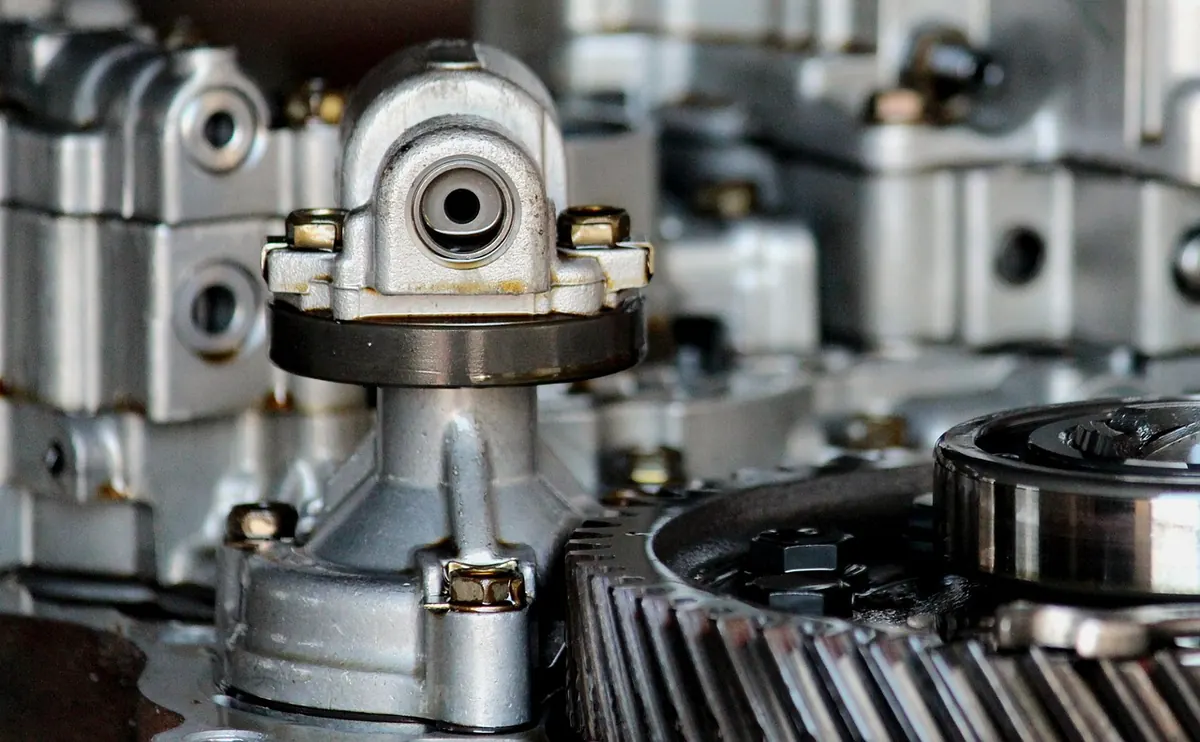
Photo: Life-Of-Pix / Pixabay